Harnessing the Earth’s Own Heat
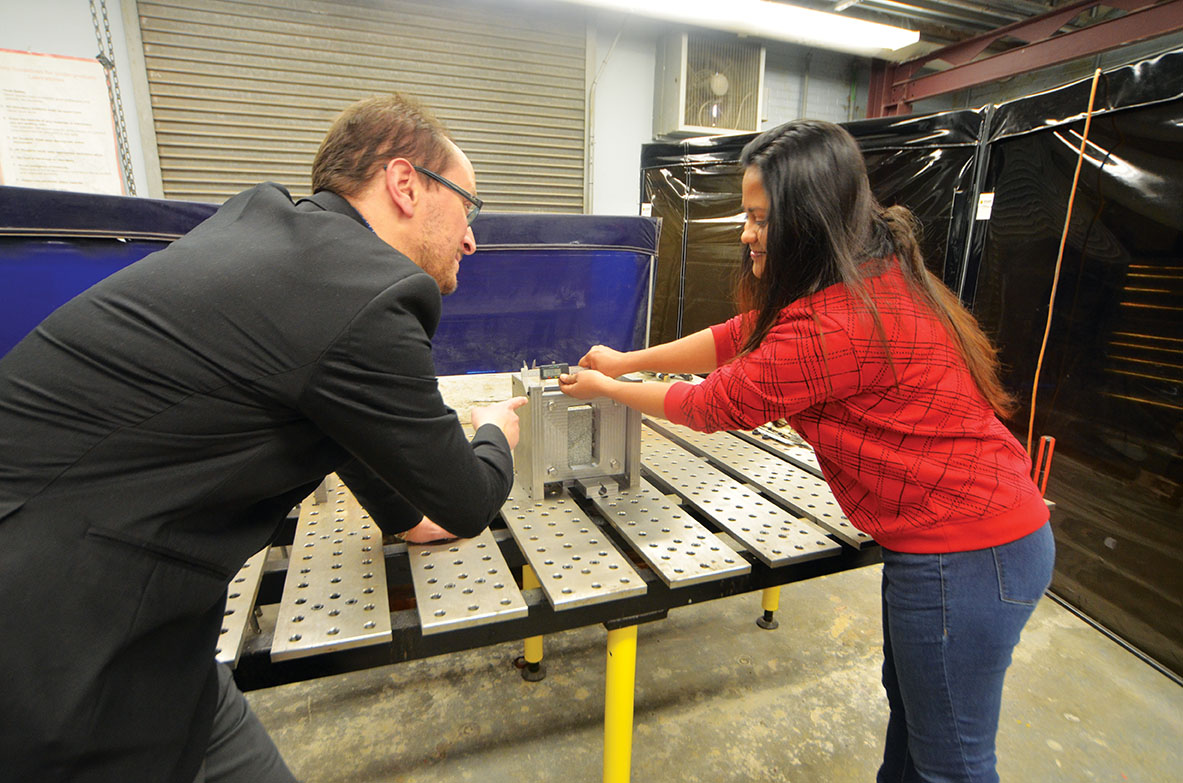
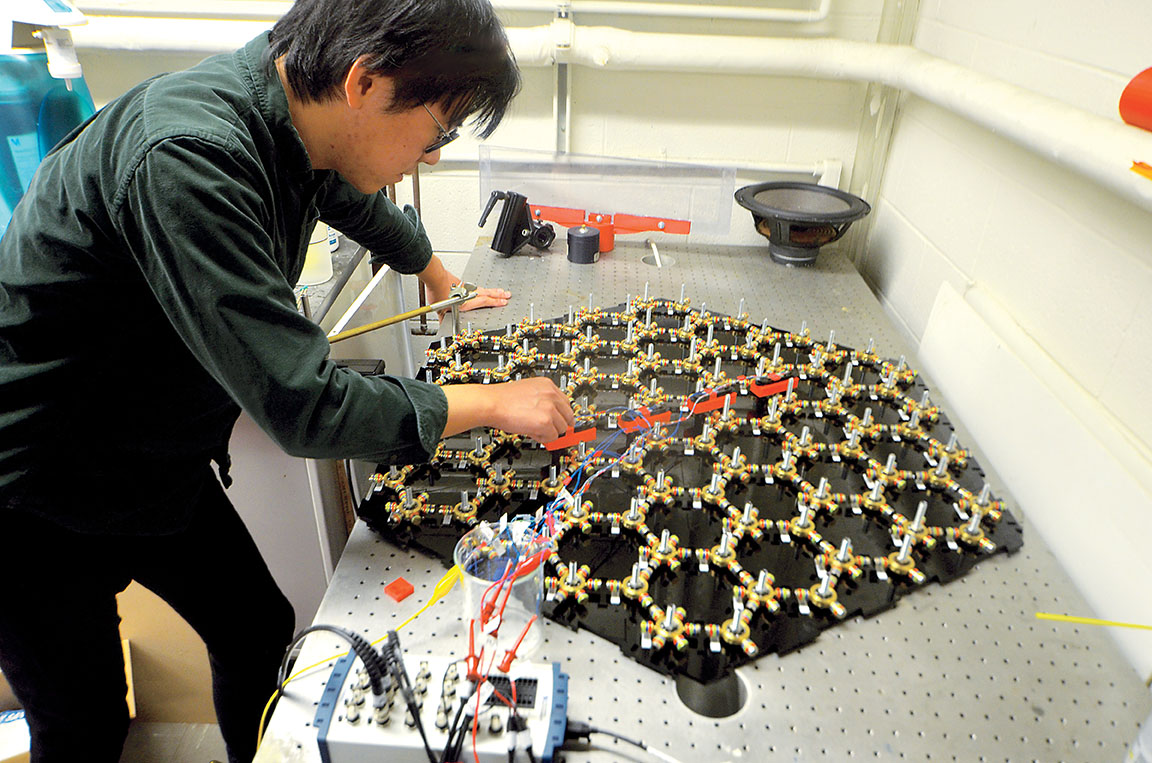
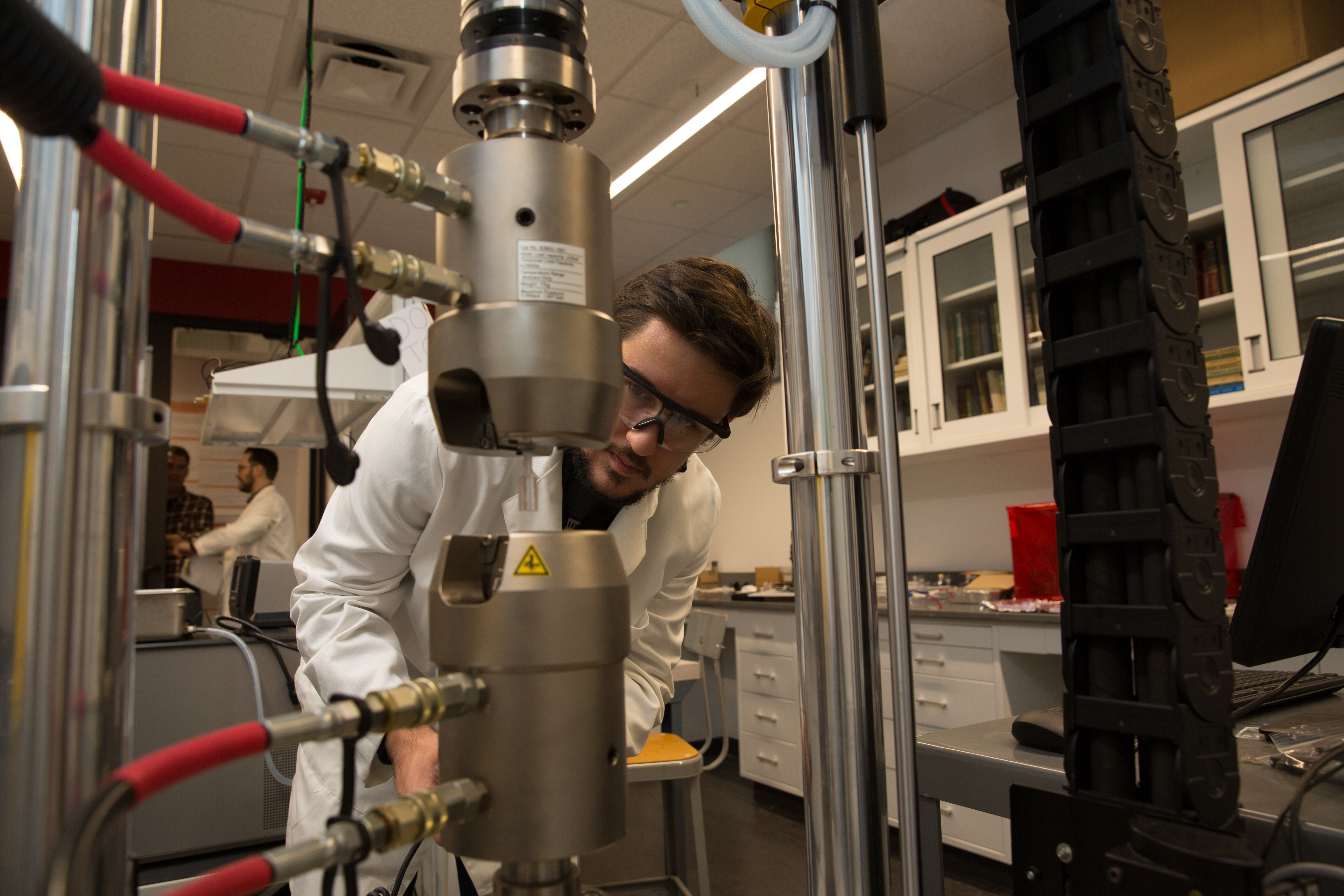
With funding from the National Science Foundation, Goncalves da Silva is building a device to study in the laboratory the fracturing processes under real-world field stress conditions.
research
With funding from the National Science Foundation, Goncalves da Silva is building a device to study in the laboratory the fracturing processes under real-world field stress conditions.
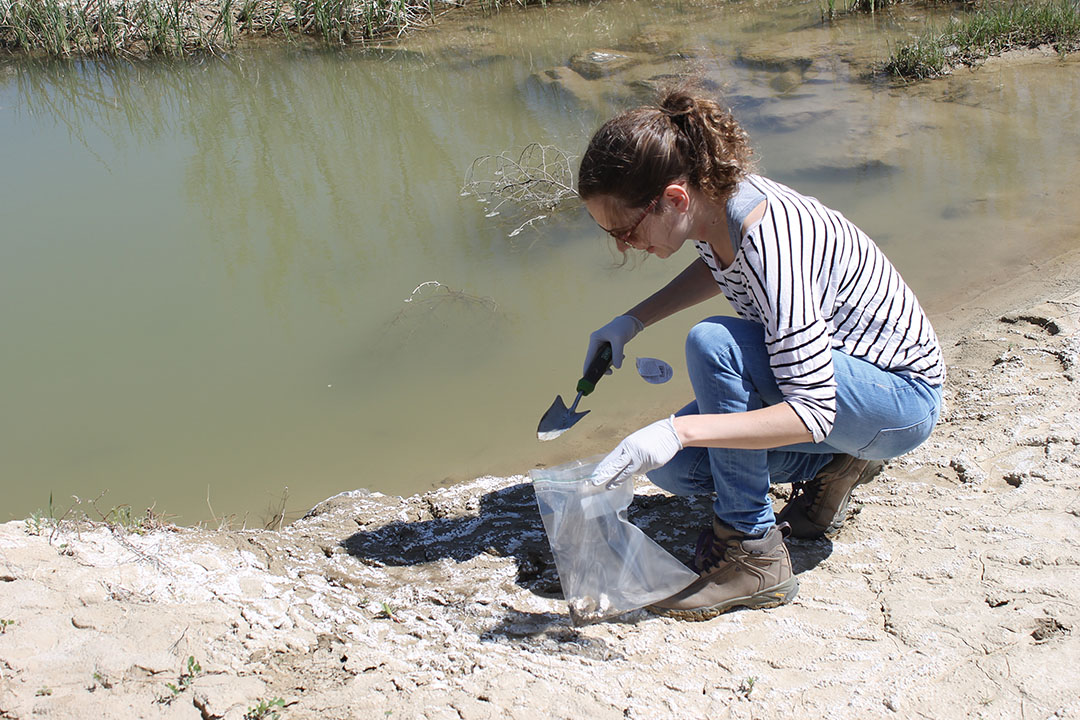
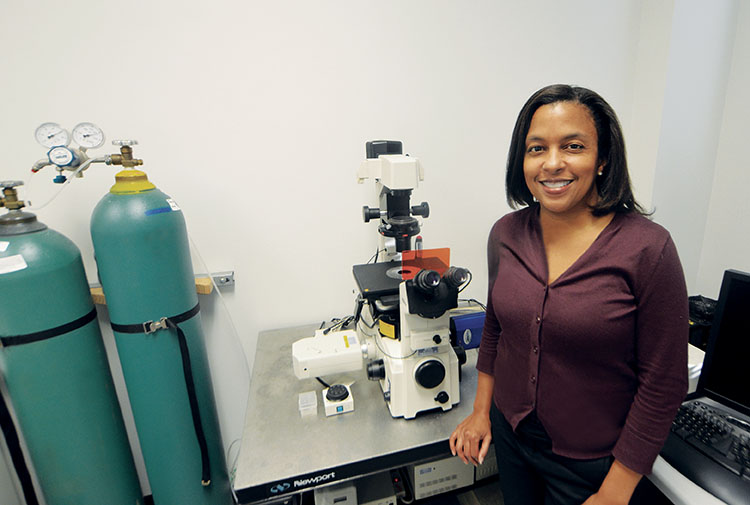
Lucia Rodriguez-Freire develops wastewater treatment systems that remove persistent contaminants using ubiquitous, inexpensive materials while optimizing bioremediation strategies for metal-contaminated natural environments.
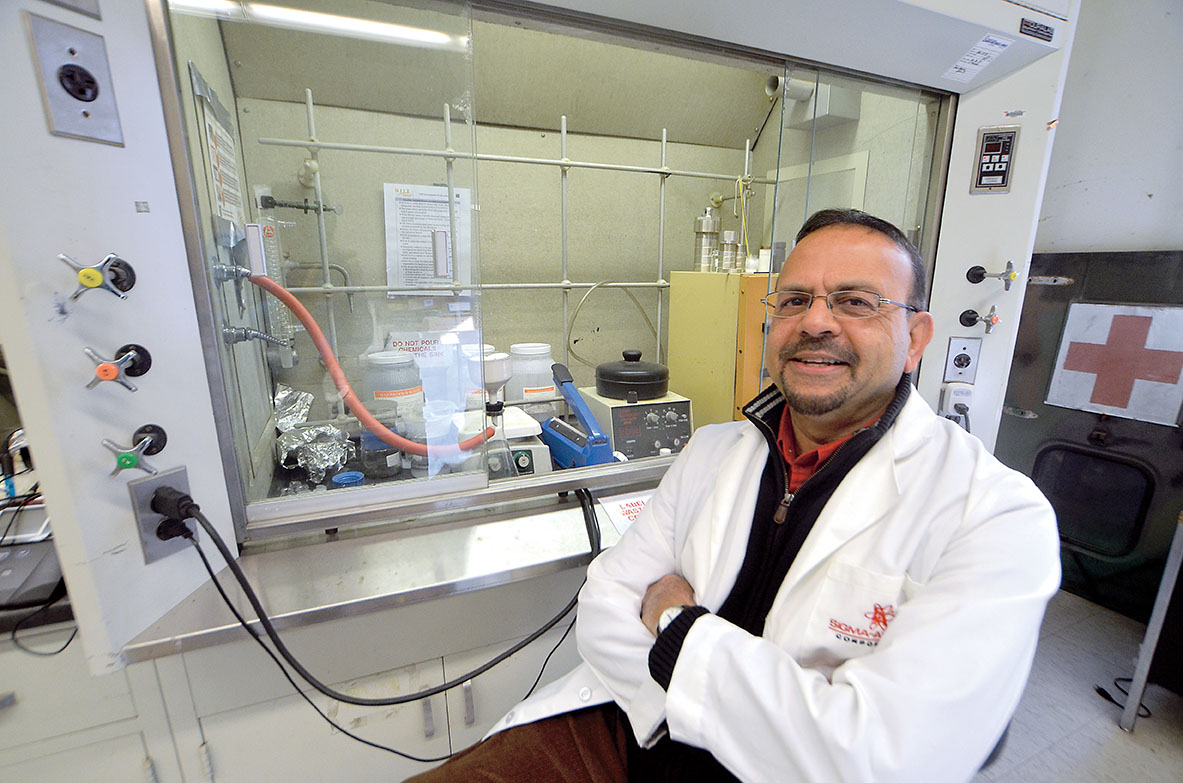
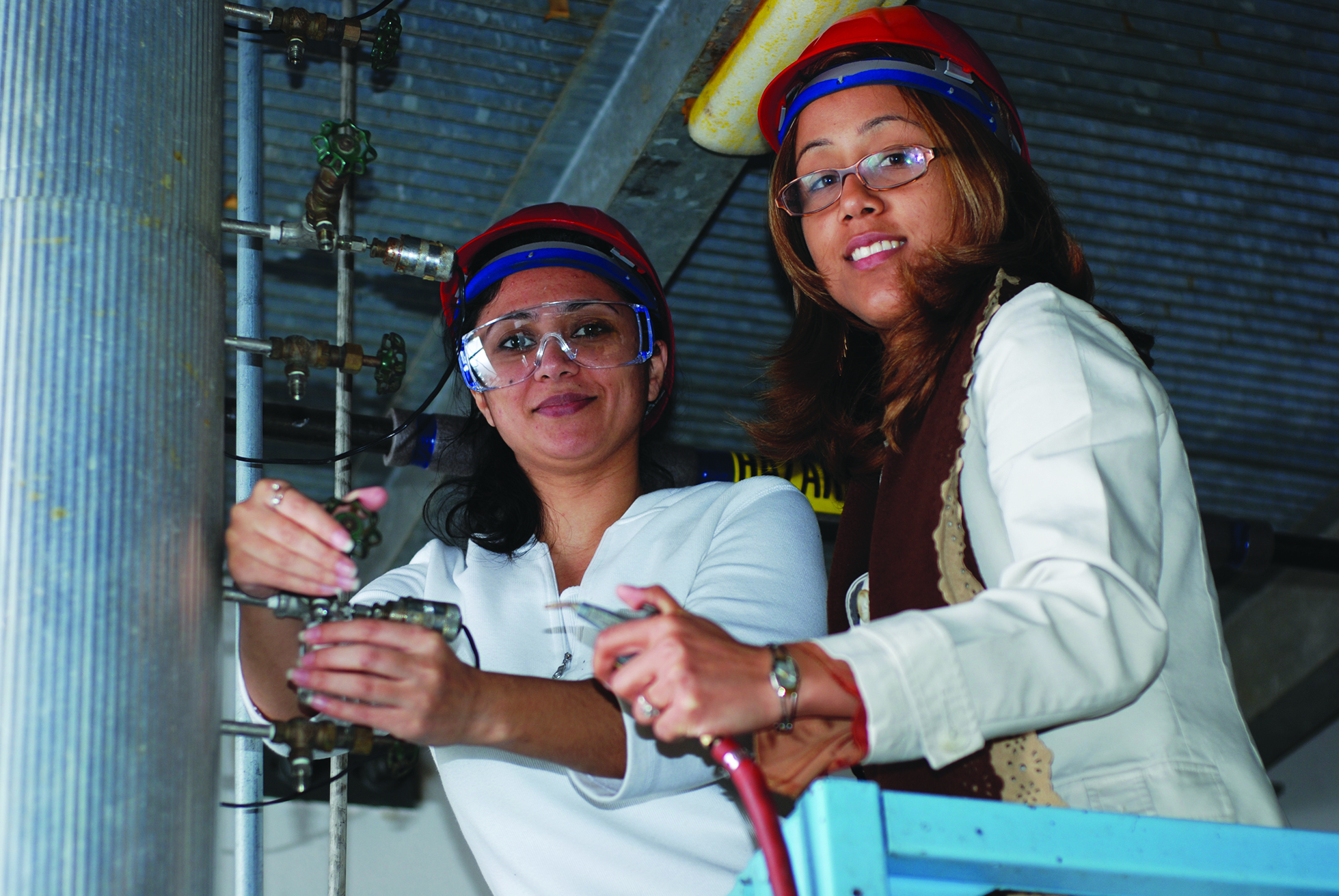
Somenath Mitra, distinguished professor of chemistry and environmental science, was recently awarded a patent for a water desalination and purification technology that uses carbon nanotubes to remove salt and pollutants such as volatile organic compounds from brackish water and industrial effluent so that it can be reused by businesses and households.
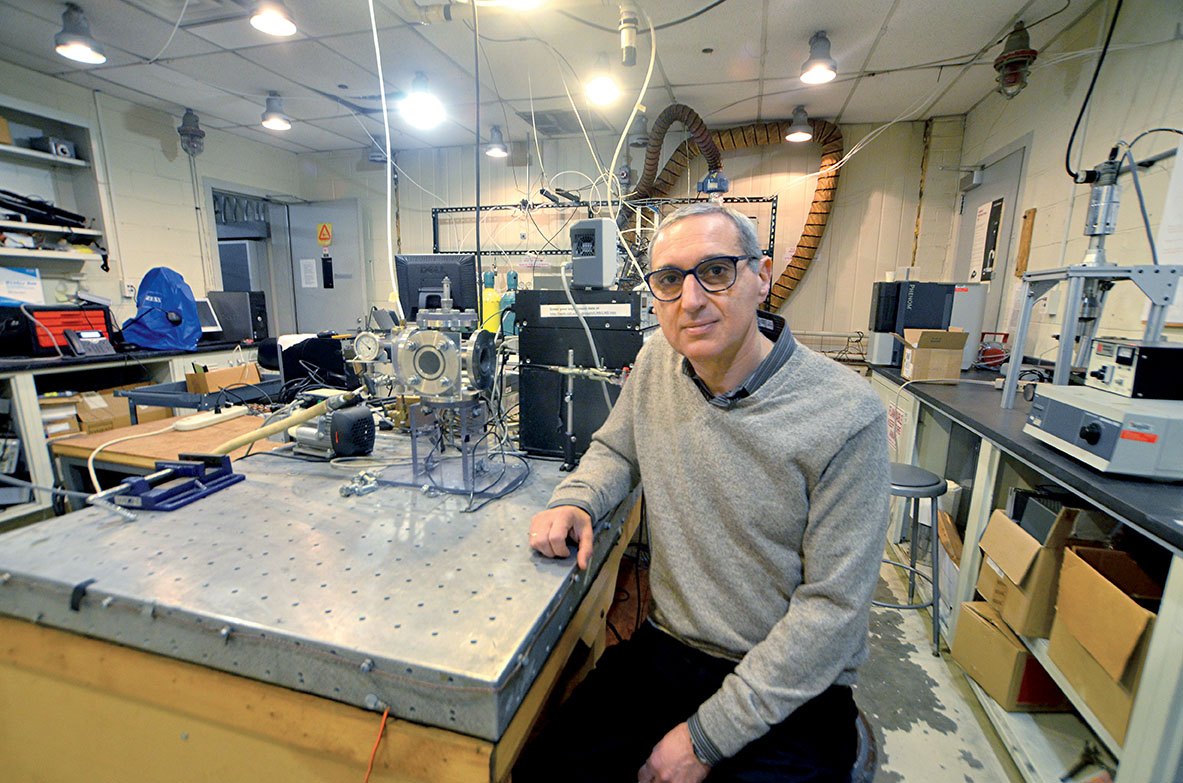
Professor Edward Dreizin is creating novel energetic compounds by milling together distinct metal-based materials into tinier and tinier bits.
Treena Arinzeh, director of NJIT’s Tissue Engineering and Applied Biomaterials Lab, is building a scaffold, composed of an energetic polymer, that will coax nerve cells to extend their axons over the damaged section of a spinal cord.
Civil engineer Bruno Goncalves Da Silva built a device to study the way rock fractures under real-world field stress conditions.
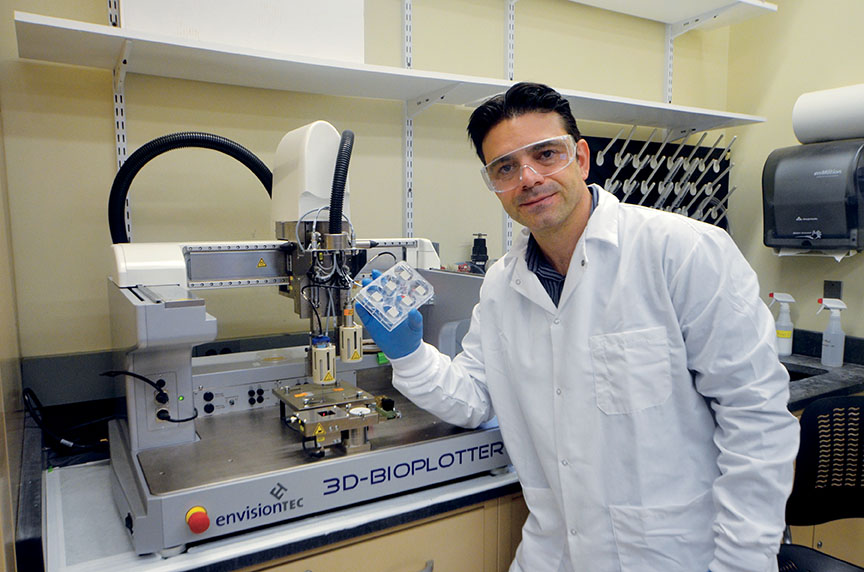
Murat Guvendiren’s Instructive Biomaterials and Additive Manufacturing Laboratory bioprints biomedical devices and tissue scaffolds.
NJIT supports collaborative research and exchange programs. This promotes innovative scholarship, global leadership, and visibility.
Students engage in a variety of research projects
Tension Test Lab
NJIT continues to invest in new labs: